What you are looking at, shot by shot
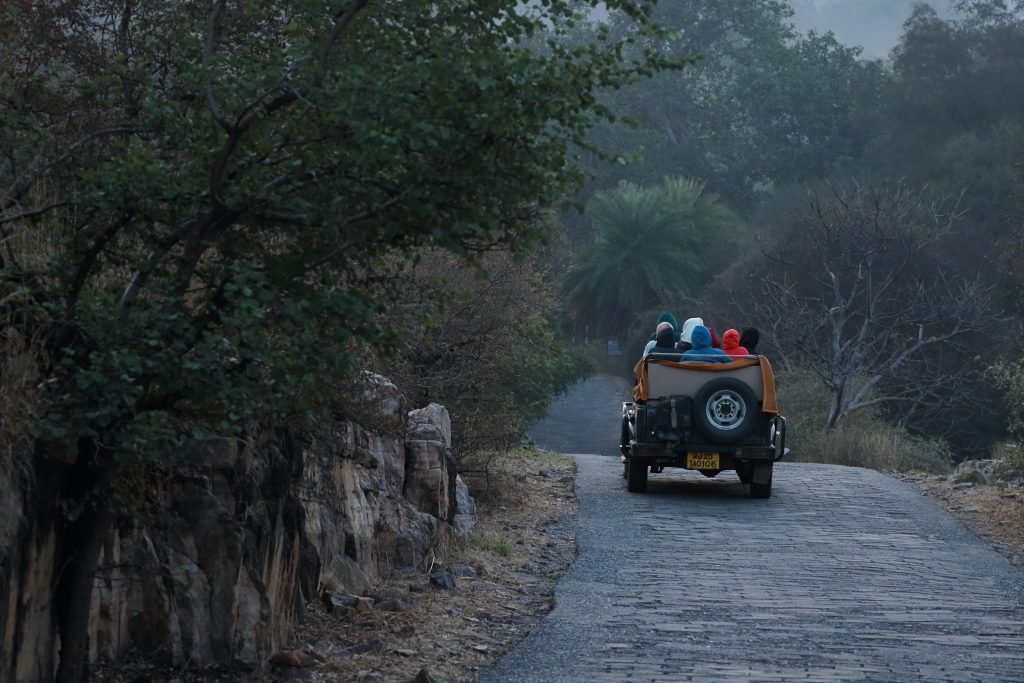
The photographs are grouped the way a safari day actually runs, so it is worth knowing what you are looking at before you book.
Tigers and other big cats
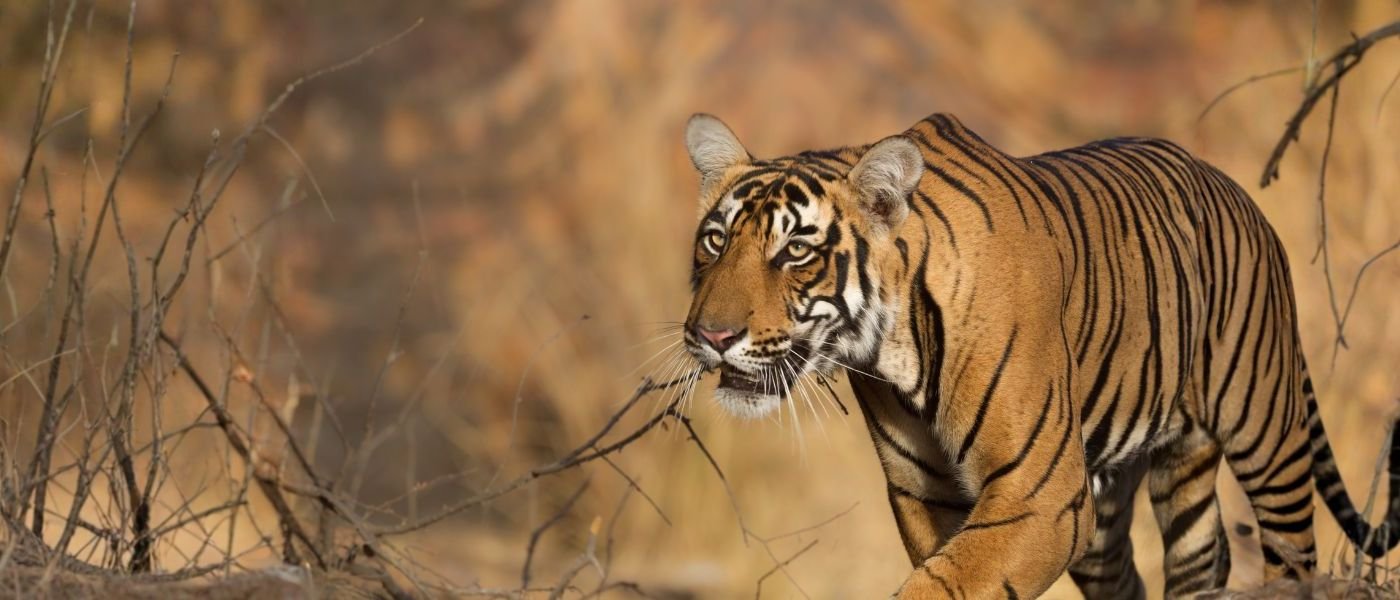
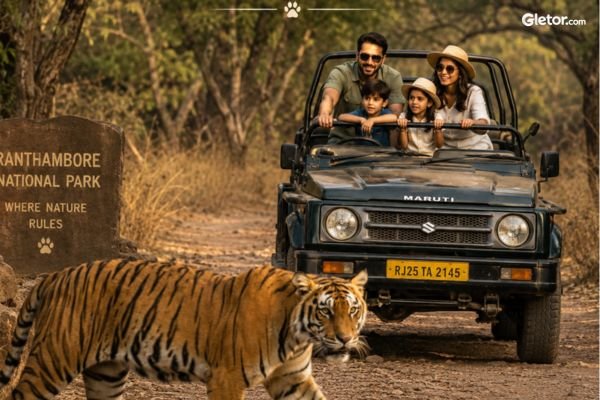
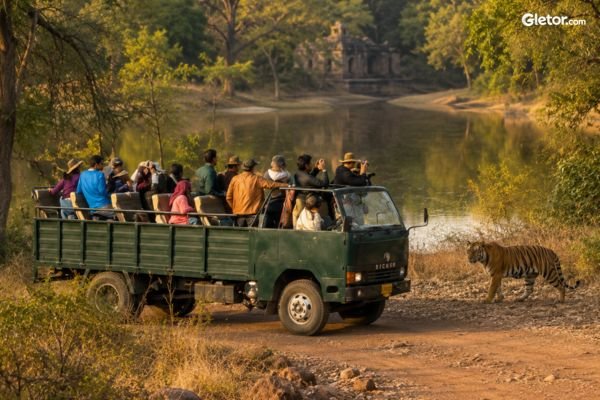
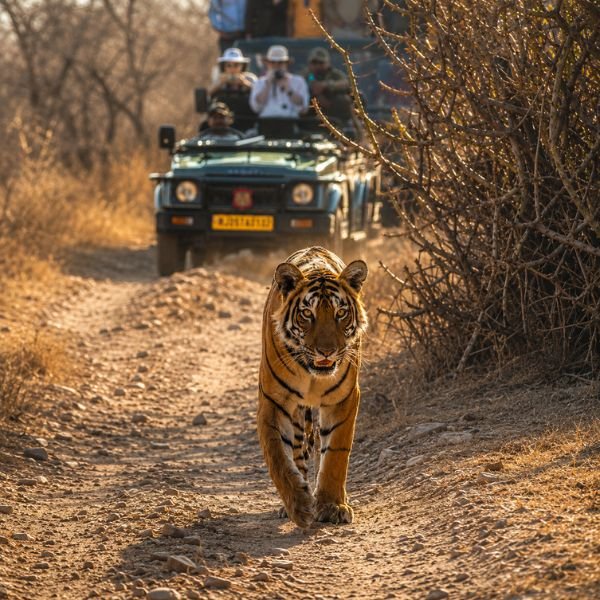
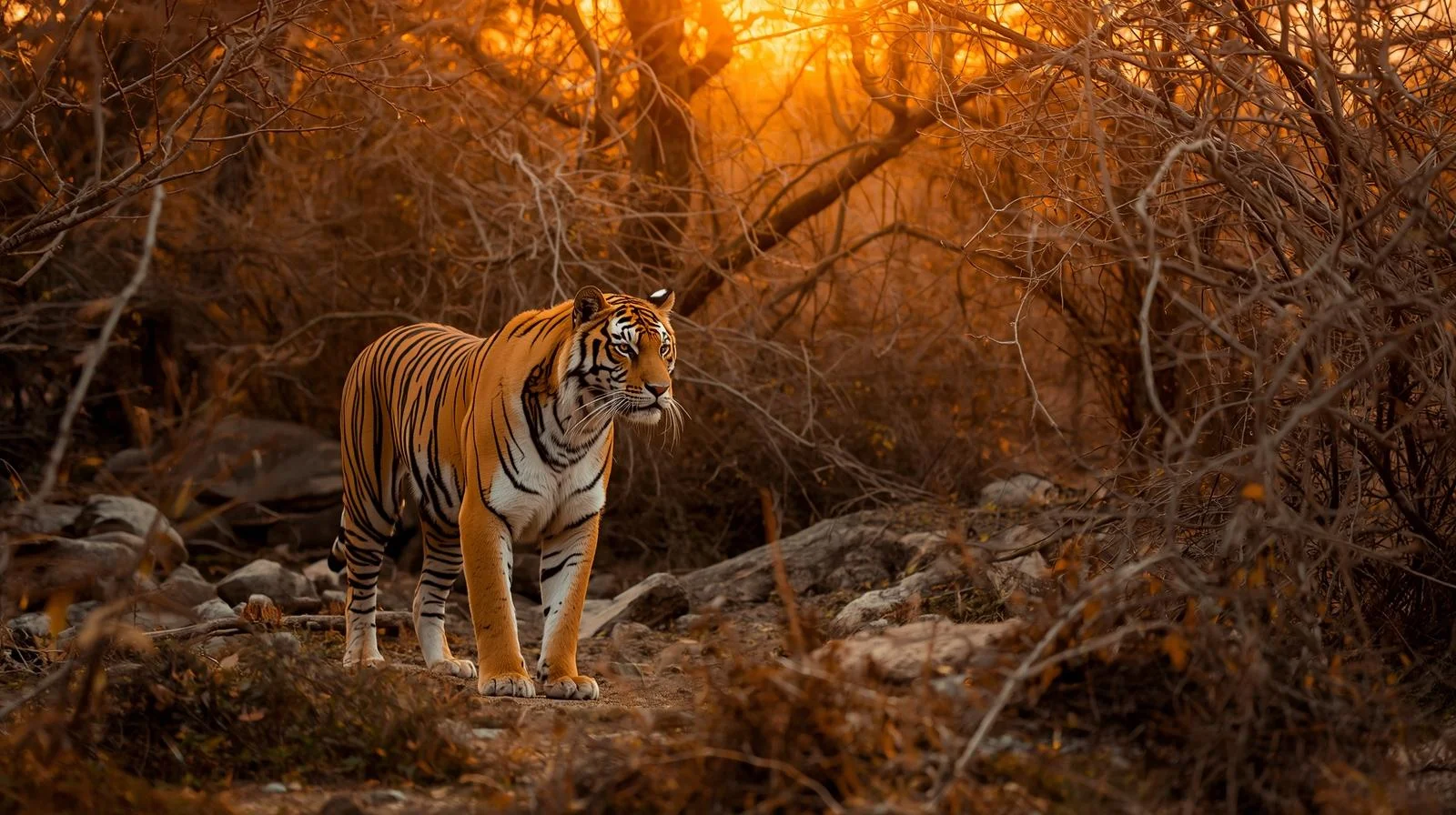
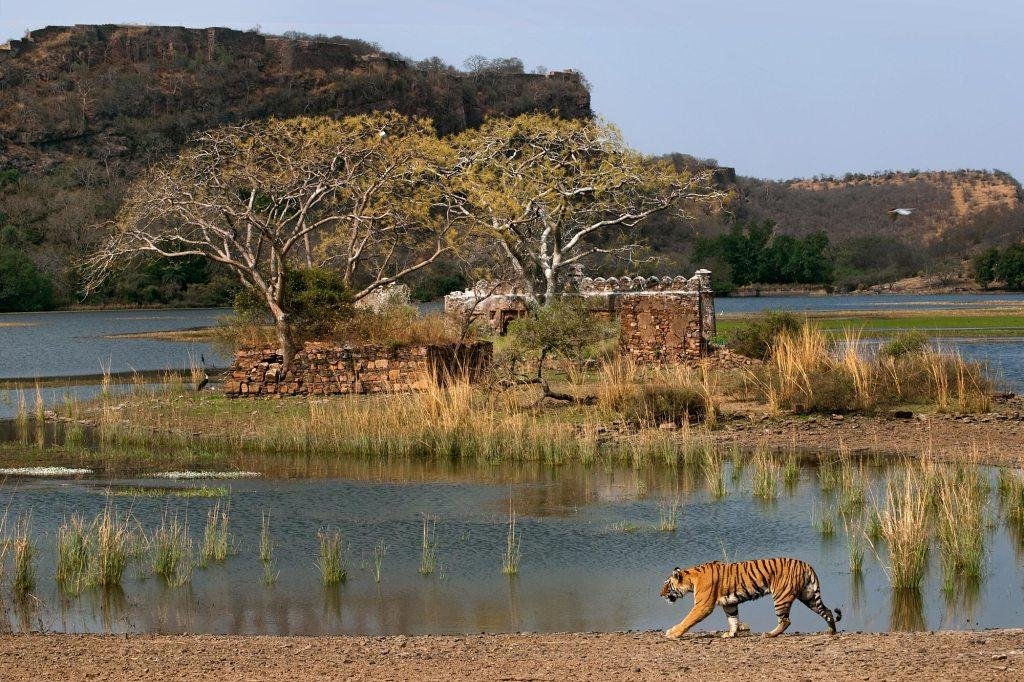
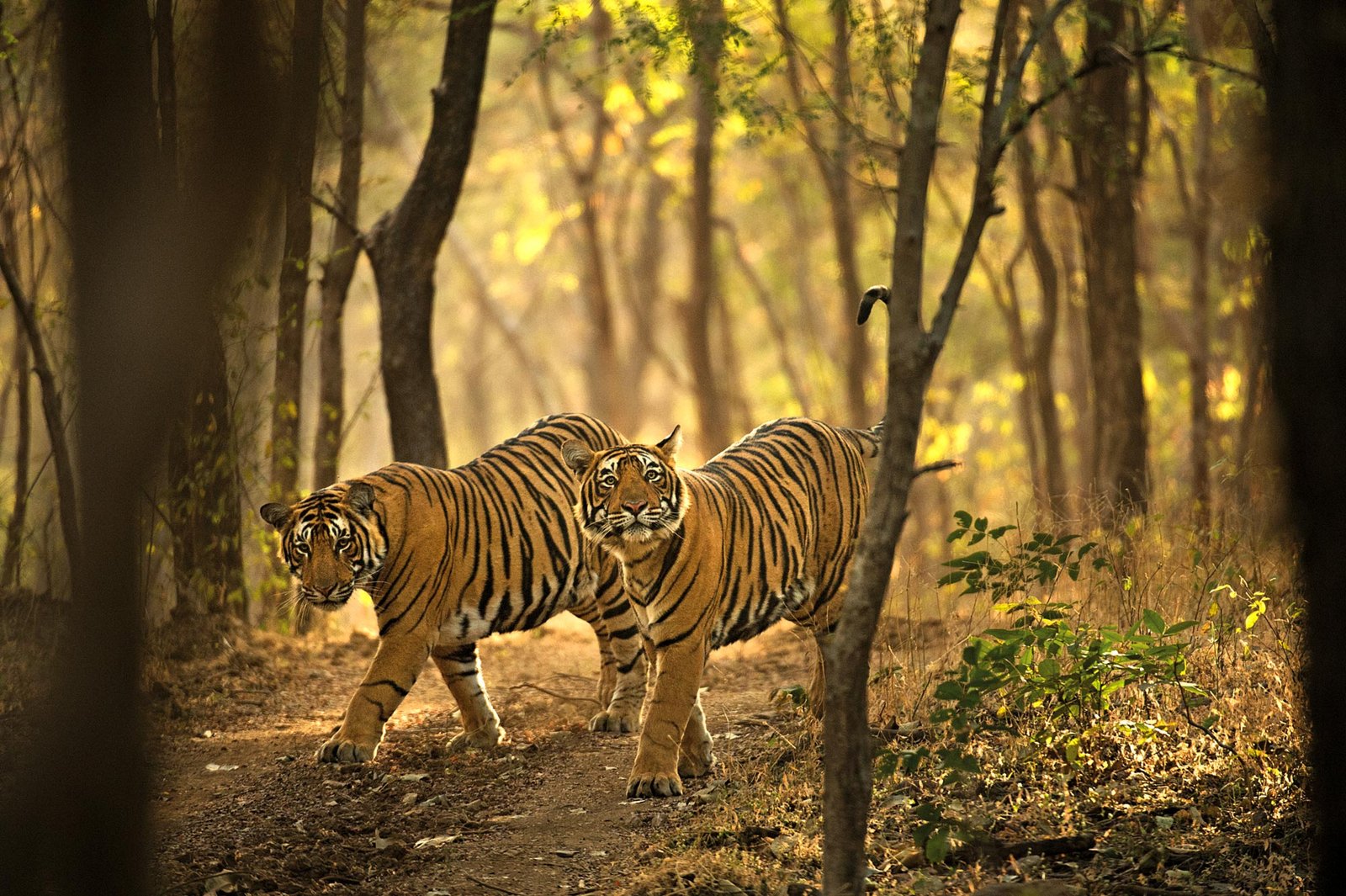
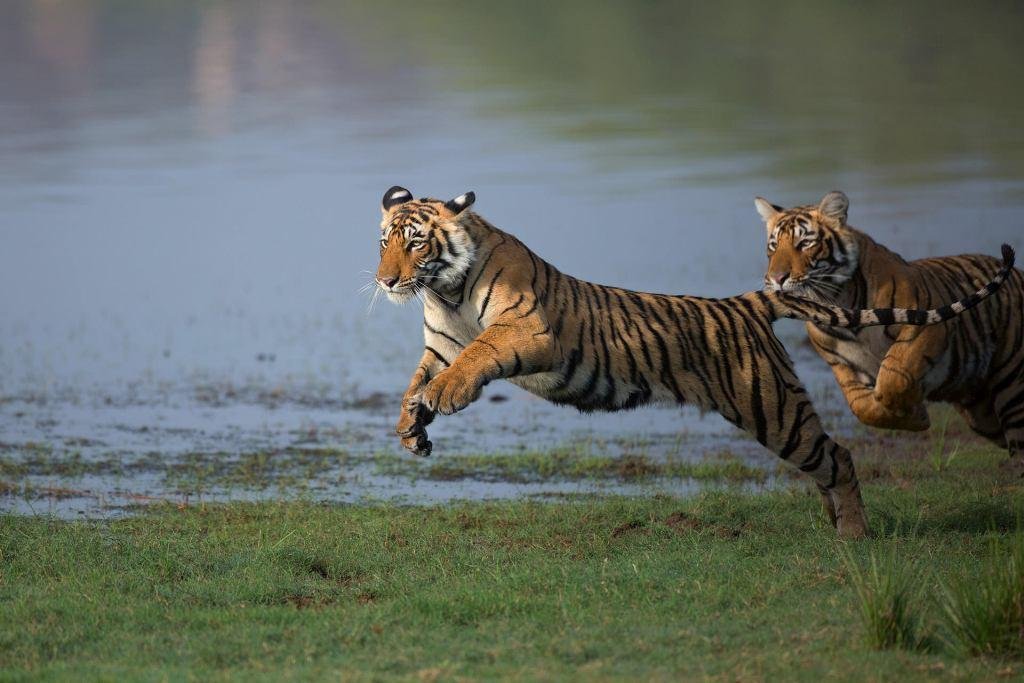
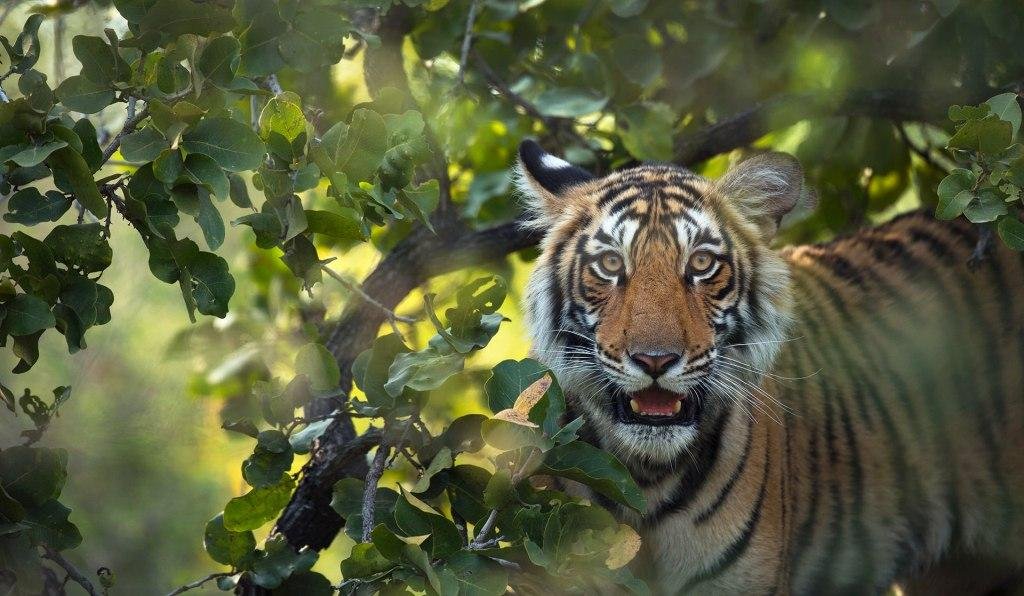
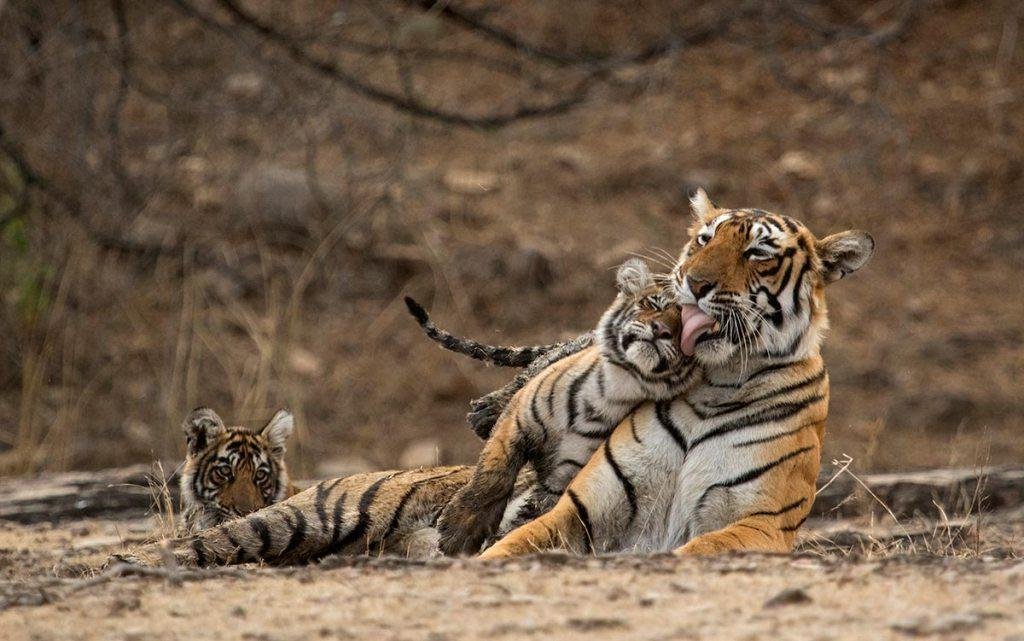
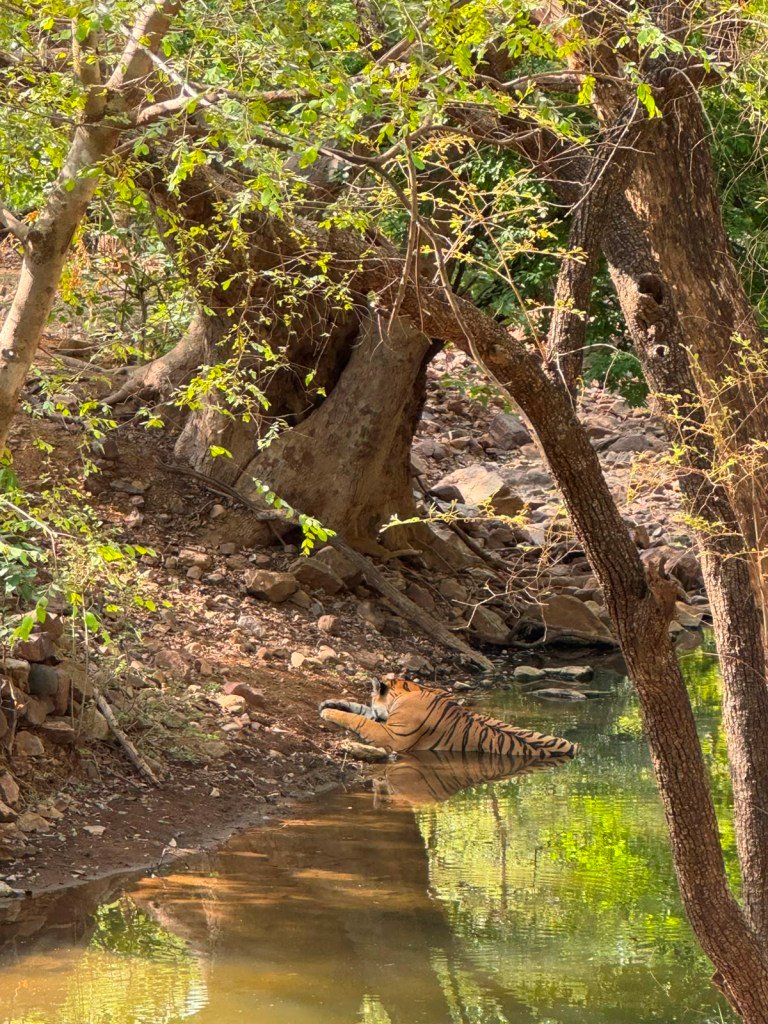
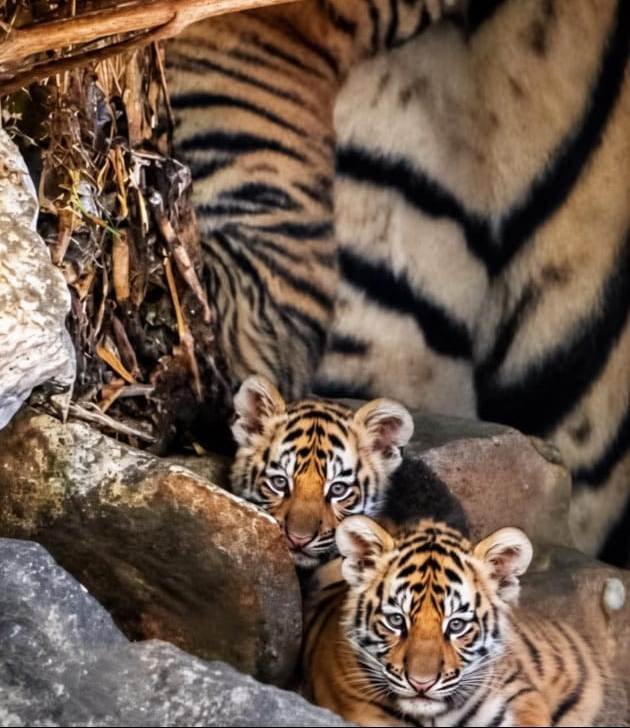
Ranthambore is one of the most reliable places in India to see a wild tiger, and the frames above are the reason people keep coming back. A sighting is never promised and never guaranteed — the Forest Department does not allow any operator to guarantee one — but two or three drives across different days and different hours give you a genuinely good chance. Leopards are also present in the reserve and are more often seen around the fort and the ruins, usually in the softer evening light.
Deer, and why they matter
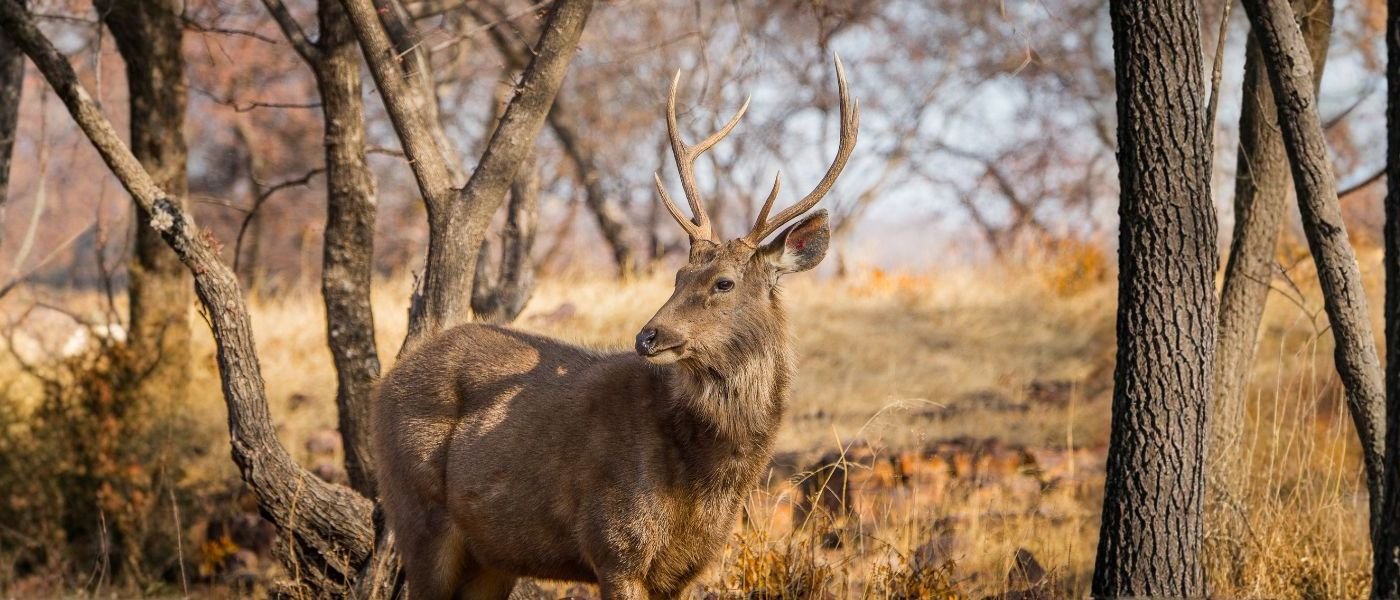
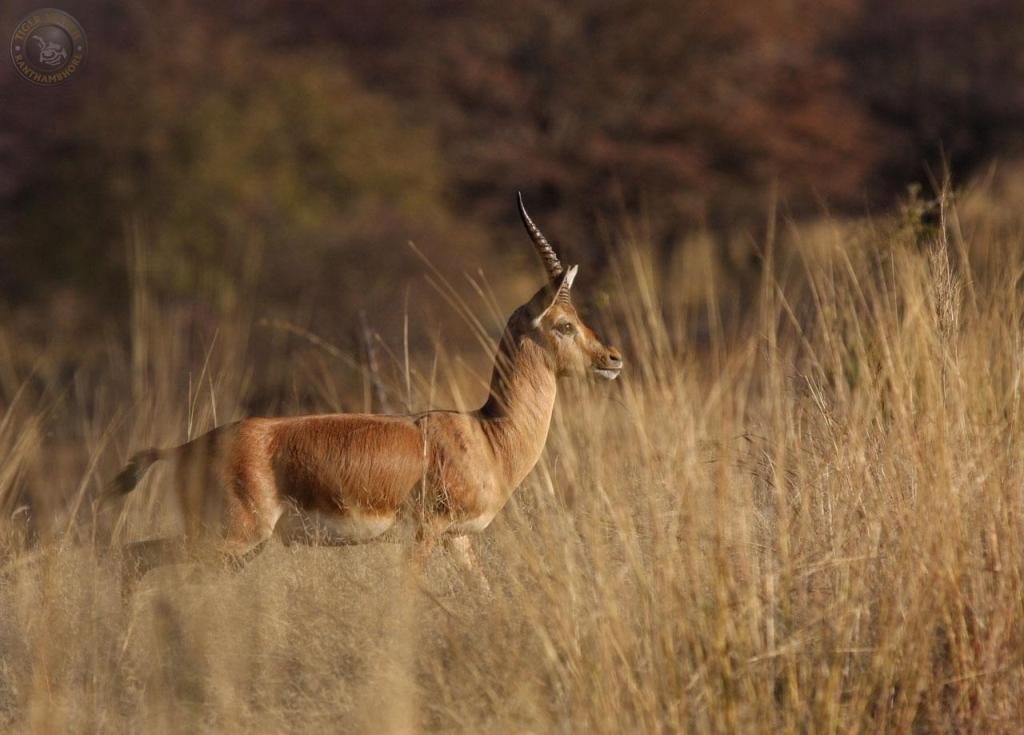
Chital, or spotted deer, and sambar are the ungulates you will see on almost every drive, and they are not filler. They are the reason tigers are drawn to a particular patch of forest: a tiger follows its prey, and where the deer are drinking is where the tiger usually ends up. Guides read the density and movement of the herd long before anything large appears. If your photographs of deer are good, your chances of a tiger improve.
Over 300 species of bird
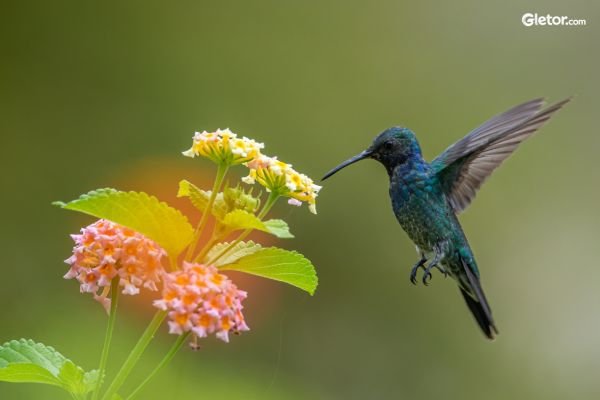
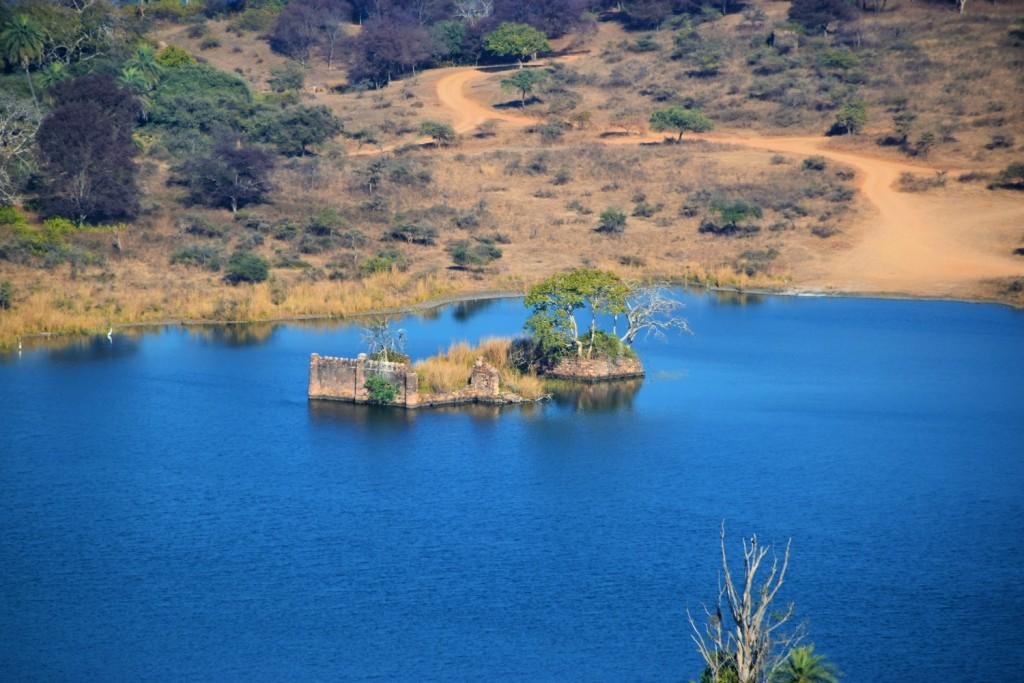
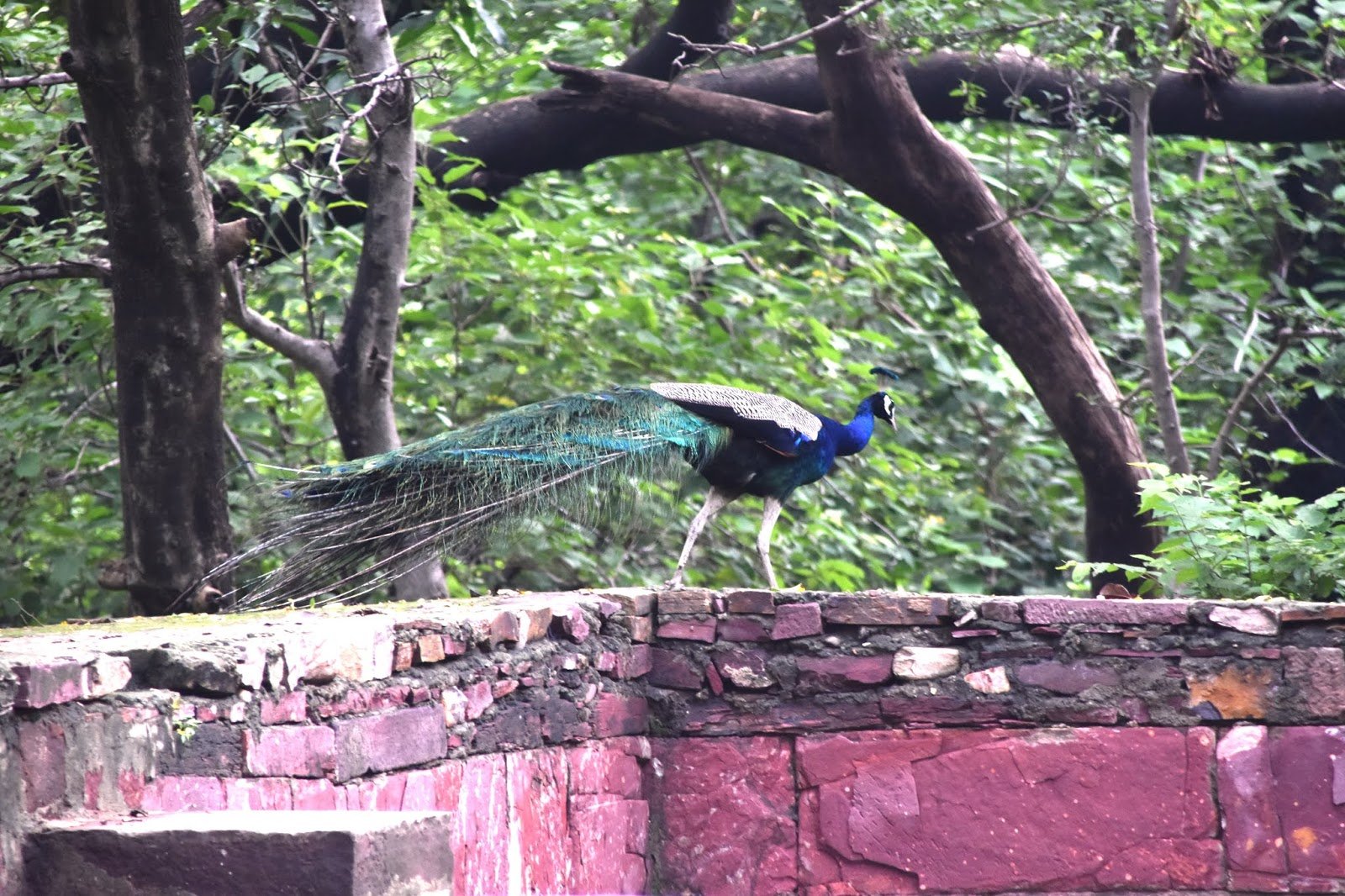
Ranthambore is a genuine birding destination rather than a side note. More than 300 species have been recorded, and winter migrants arrive between November and March, when the park is at its most comfortable to sit through. Waterholes and the lake near Padam Talao are the productive spots. If you are coming in summer, the birds are one of the few reasons to be grateful for an early start.
The fort, the shrines and the ruins
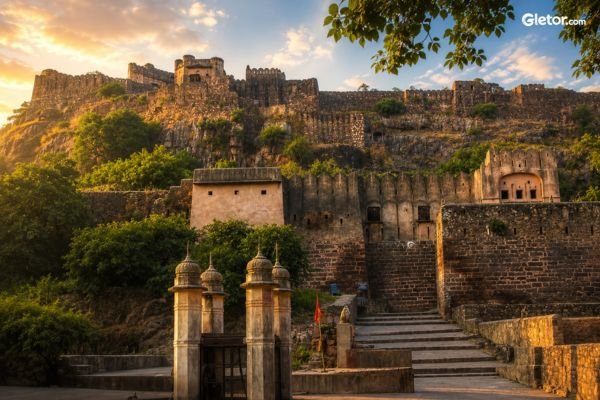
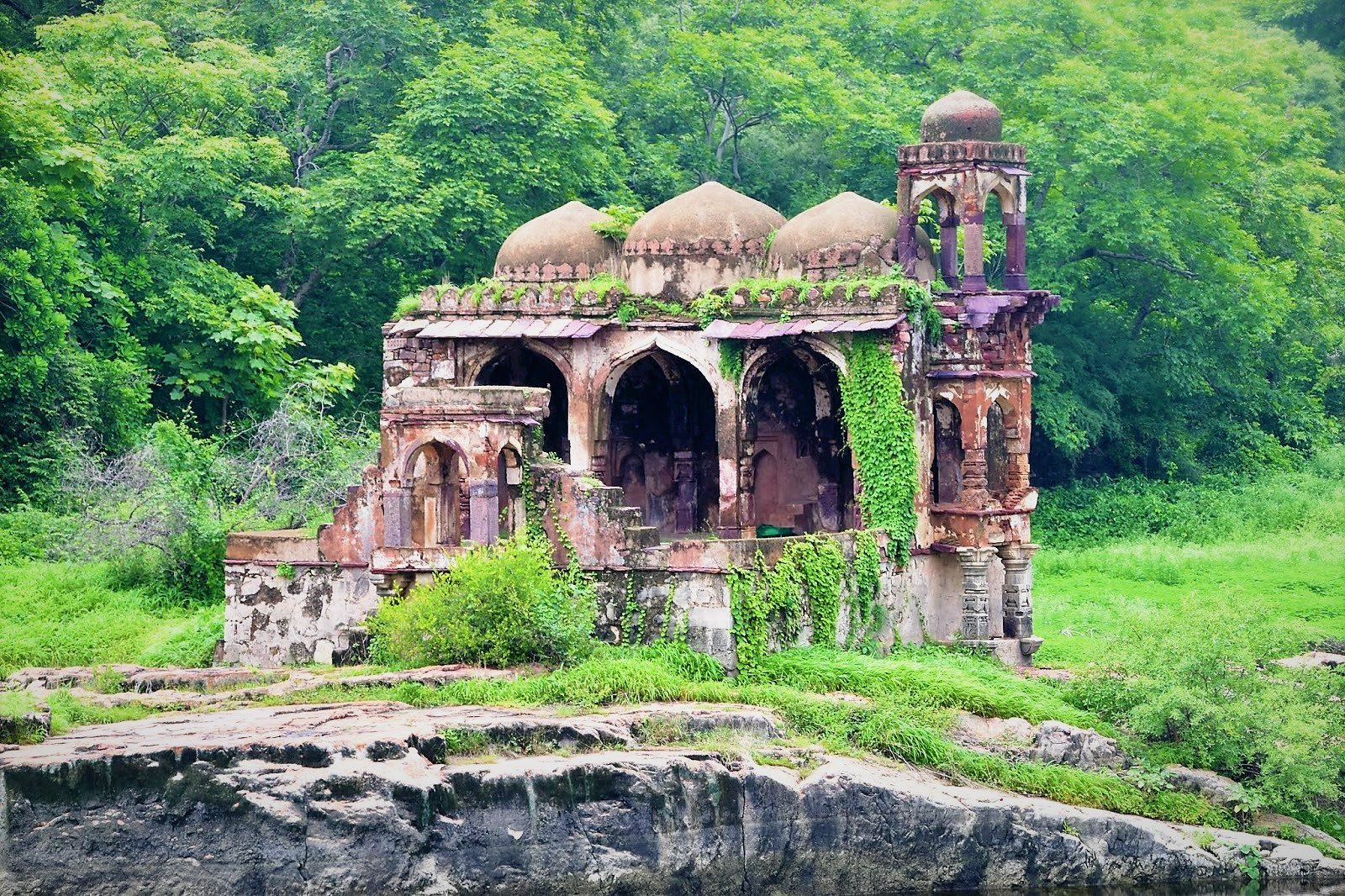
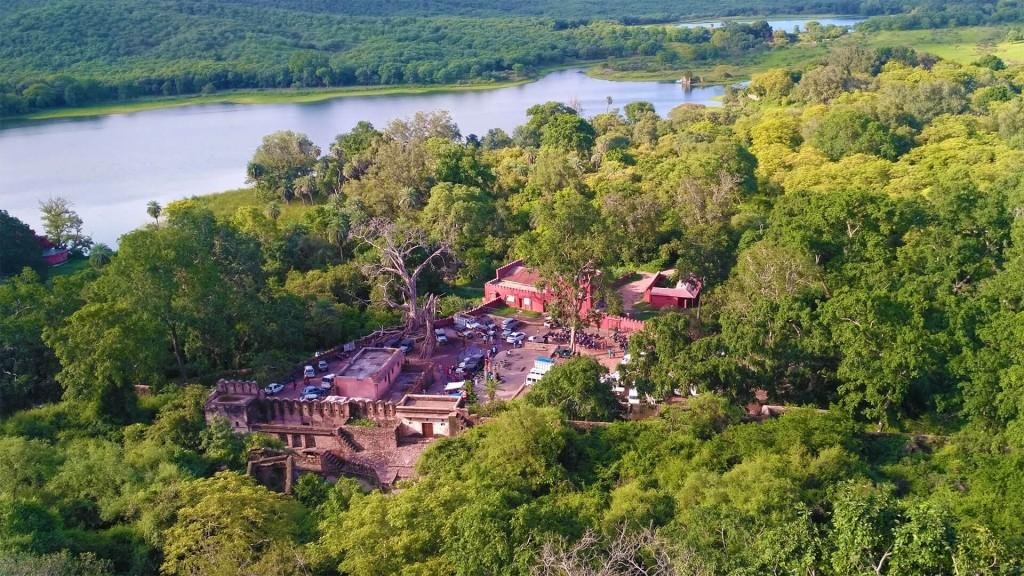
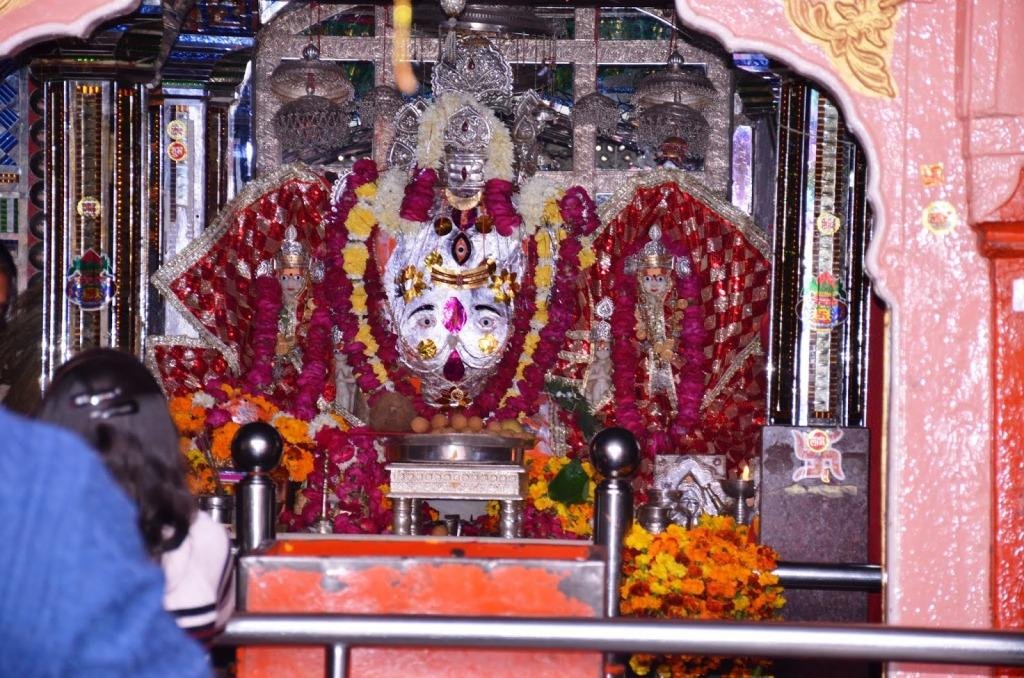
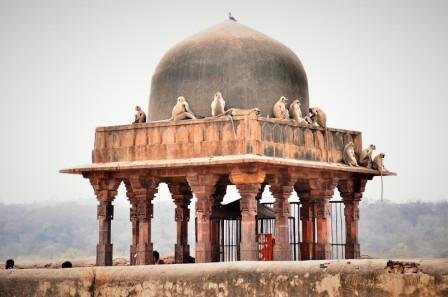
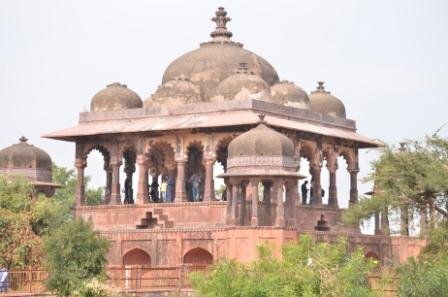
Ranthambore Fort sits inside the reserve on a crag roughly 700 feet above the plain, and it is only reachable on a safari vehicle with a permit for that date. The climb is about 700 uneven stone steps. At the top there is a mosque, two working Jain shrines, the remains of the palace complex in Raj Bagh, and the Trinetra Ganesh Temple, which is the most visited building in the park. Most drives reach the fort in the first hour rather than at the end, so it is worth asking your guide to time it that way.
The Chambal river trip
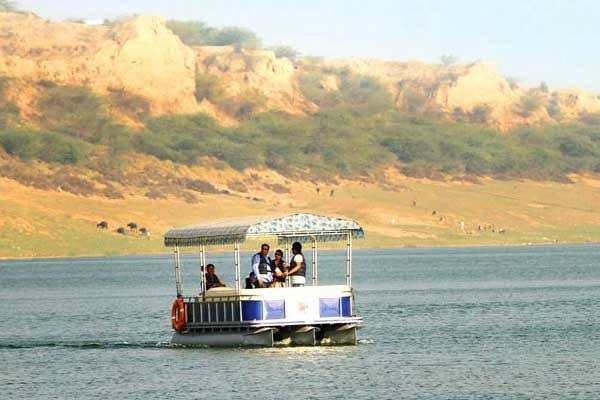
About 45 km from Sawai Madhopur, the Chambal at Palighat is a different landscape entirely: riverine sandbars, gharials, mugger crocodiles, river dolphins and a huge waterbird population. It runs through the monsoon when Ranthambore itself is closed from 1 July to 30 September, which makes it the practical trip for anyone visiting in those months. Boats run several times a day and usually have space.
Accommodation and the area around the park
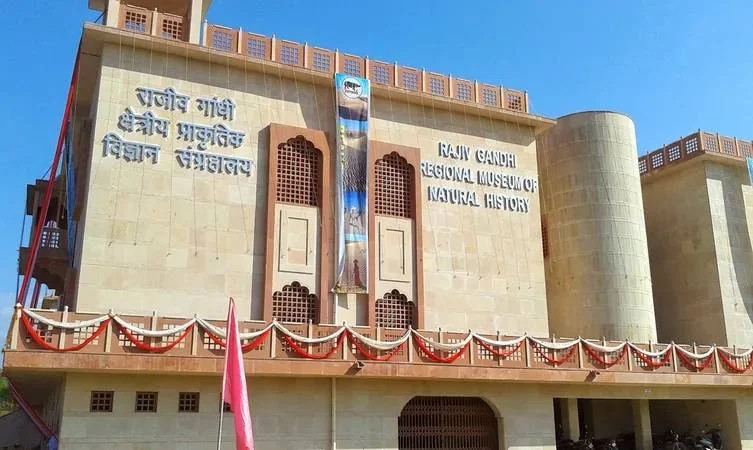
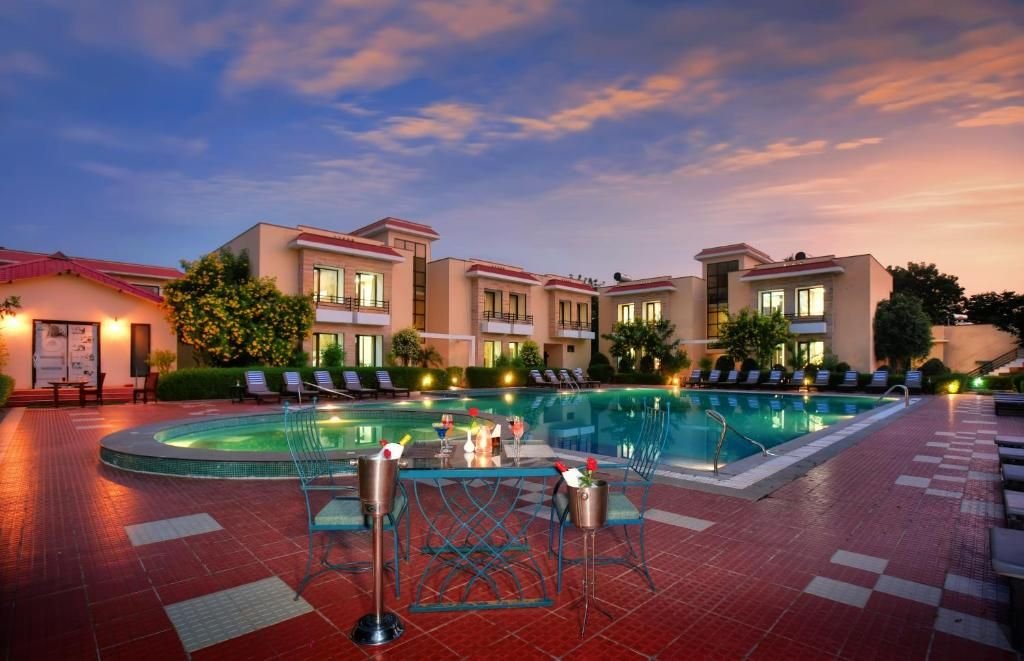
Most visitors stay within a few kilometres of the gate, in guesthouses and small hotels that arrange an early breakfast and a vehicle pick-up. Beyond the park there is the Rajiv Gandhi Regional Museum in Sawai Madhopur, which is genuinely worth an hour, and village and cultural outings to the surrounding countryside. We can arrange any of it alongside the safari itself.